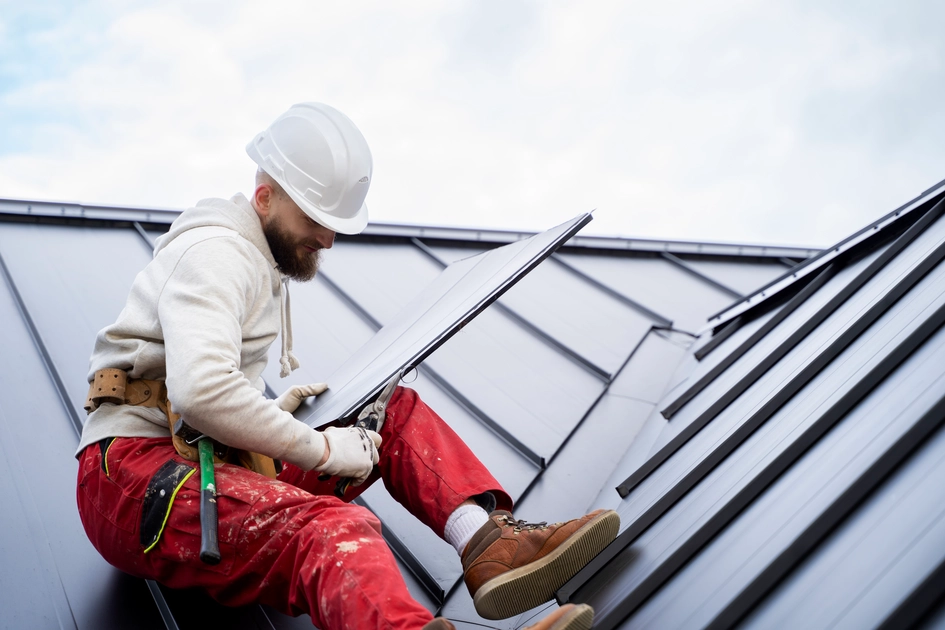
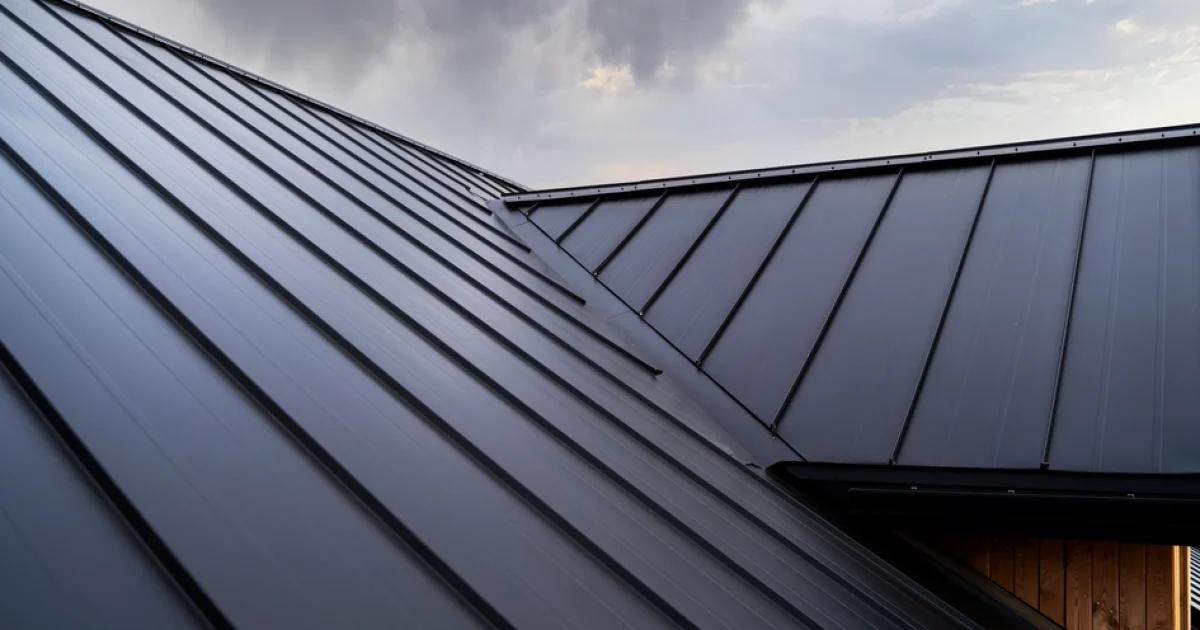
There are several different types of roof flashing, and each one plays a different job on your roof. Some direct water away. Some seal tricky corners. Some stop leaks before they even start. I’ve seen roofs fail simply because the wrong flashing was used in the wrong spot. That’s a costly mistake!
Melbourne weather doesn’t play nice. One day it’s sunny. The next, it’s pouring rain sideways. Your roof takes a beating from wind and rain, harsh UV, and sudden temperature swings. That’s where flashing steps in as your roof’s unsung hero.
Stick with me. By the end of this blog, you’ll know exactly what flashing does, which type suits your home, and how to spot flashing problems before they turn into expensive repairs.
Table of Contents
What Roof Flashing Is and Why Melbourne Homes Need It
Roof flashing is a thin material, usually metal, installed at junctions where your roof meets walls, chimneys, vents, or skylights. Think of it as a protective barrier. It stops water from sneaking into gaps.
Without it, water would seep into every crack, corner, and joint. Over time, this causes water damage, mould, and structural rot. Nobody wants that.
Here in Australia, weather conditions swing hard. We get scorching summers and wet, windy winters. Your roof needs a strong defense against both. Flashing creates a watertight seal at all the vulnerable areas of the roof, keeping your ceiling dry and your home safe.
It’s a small part of your roofing system. But honestly? It punches way above its weight.
Types of Flashings Used on Melbourne Roofs
Not all flashing looks the same or does the same job. Let’s break down the common flashing types you’ll find on Aussie homes.
- Step flashing – Used where a roof meets a wall, layered like steps to guide water down safely.
- Apron flashing – Sits where a roof slope meets a vertical surface, like under a skylight.
- Valley flashing – Installed where two roof slopes meet, channelling water down the valley and off the roof.
- Chimney flashing – Wraps around the base of a chimney, sealing that tricky junction.
- Vent flashing – Fits snugly around roof vents and pipe penetrations.
- Drip edges – Placed along the roof’s edge, directing water straight into the gutter.
Each type of flashing has one goal. Directs water away from vulnerable areas and keeps your home dry.
Melbourne roofs, especially older ones with complex roof designs, often use several of these types together. If your home has multiple slopes, dormers, or skylights, chances are you’ve got a mix of flashing types working hard behind the scenes.
Flashing Materials Options and What Suits Melbourne’s Climate
Choosing the right flashing material matters just as much as picking the right type. Here’s what’s commonly used:
- Galvanised steel – Tough, affordable, and resistant to rust when coated properly.
- Aluminium – Lightweight, doesn’t corrode easily, and works well on most metal roof styles.
- Copper – Long-lasting and stylish, though pricier. Some heritage homes still use it.
- Steel flashing – Durable and strong, ideal for harsher weather zones.
For Melbourne’s unpredictable climate, you want something durable that handles heat, rain, and salty coastal air (if you’re near the bay). Galvanised steel and aluminium are popular because they resist corrosion and last for years without much fuss.
Picking cheap, thin materials might save money upfront. But trust me, it’ll cost more in repair costs down the track. Quality flashing materials mean fewer headaches later.
Common Roof Flashing Issues Found in Melbourne Homes
Even the best roof flashings wear down eventually. Here are the flashing issues I see most often in Melbourne homes.
Corrosion tops the list. Constant exposure to moisture and UV rays weakens metal flashing over time. Once rust sets in, it’s only a matter of time before leaks follow.
Poor overlap is another biggie. Flashing needs to overlap correctly to stay watertight. If installed with gaps, water finds its way in almost immediately.
Old or cracked sealant around flashing edges is a sneaky culprit too. Sealant dries out, shrinks, and cracks. Suddenly, that once-watertight seal isn’t so watertight anymore.
Then there’s damage from roof battens shifting, storm debris, or even birds and possums messing with loose flashing near the fascia.
And let’s not forget skylight and chimney flashing failures. These intersection points are notorious for leaks because they involve multiple materials meeting at odd angles.
Signs Your Roof Flashing Needs Repair or Replacement
How do you know when it’s time to call a roofer? Watch for these warning signs:
- Water stains on ceilings near walls, chimneys, or skylights
- Visible rust or corrosion on metal flashing
- Cracked, peeling, or missing sealant
- Loose or bent flashing pieces
- Mould and mildew forming in the roof cavity
- Daylight visible through roof junctions
If you spot even one of these, don’t wait. Small flashing problems grow into big, expensive ones fast. A tiny gap today can mean a soaked ceiling next winter.
Simple maintenance now saves serious money later. Many Melbourne homeowners don’t realise their roof needs attention until water’s already dripping through the ceiling. By then, you’re not just replacing flashing anymore. You might be dealing with damaged roof sheet, rotting timber, or ruined insulation.
For a deeper look into keeping your roof problem-free, this guide on common roofing problems and solutions is worth a read too.
Conclusion
So, there you have it. Roof flashings explained, simply and clearly. From step flashing to valley flashing, each piece plays a crucial role in keeping your entire roof watertight and strong. Choosing the right flashing material, watching for corrosion, and catching flashing issues early are all part of protecting your home from leaks.
Every roof faces tough Australian weather. Flashing gives it the strength to fight back. Whether you’ve got a tile roof or a modern steel roof, proper flashing adds years to your roof’s lifespan and real peace of mind for you.
Don’t leave it to guesswork. If you’re unsure about the condition of your flashing, get the professionals to check it out. The team at Benchmark Roof Reports knows Melbourne roofs inside and out. They’ll give you a clear, honest roof inspection and assessment and help protect the integrity of your home for years to come. Reach out today and get your roof checked before small issues turn into big, costly problems!
FAQs
What are the most common types of roof flashing used in Melbourne homes?
Understanding different types of roof flashing and common issues in Melbourne homes involves metal step flashing, continuous flashing, valley flashing and apron flashing, each designed to be waterproof and improve the durability and longevity of your roof when installed correctly.
What common issues affect roof flashing in Melbourne and how do they impact my home?
Common issues include corrosion, improper installation, and sealant failure that can allow leaks and reduce the flashing’s ability to prevent water intrusion, compromising overall durability and requiring timely repair to maintain longevity.
How can homeowners maintain flashing to prevent water damage and extend roof life?
Regular inspections, cleaning debris, resealing joints and replacing damaged flashing are basic maintenance steps that help prevent water penetration, preserve waterproof performance and extend the longevity and durability of roofing systems in Melbourne homes.