
A damaged roof costs Australian homeowners an average of $8,000 to repair. Catching problems early changes everything. Understanding the difference between a roof inspection vs building inspection could save you thousands of dollars and a whole lot of stress.
Let’s break it down simply.
See also: Roof Inspection vs Home Inspection
Table of Contents
Roof Inspection vs Building Inspection: What Is the Difference?
So, what actually separates these two types of inspections? They sound similar. But they are very different things.
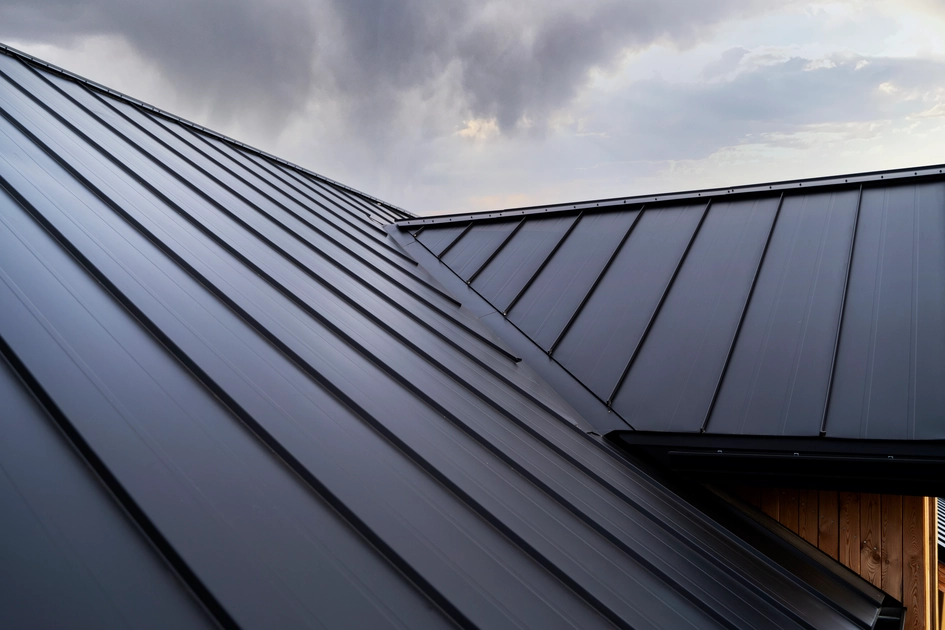
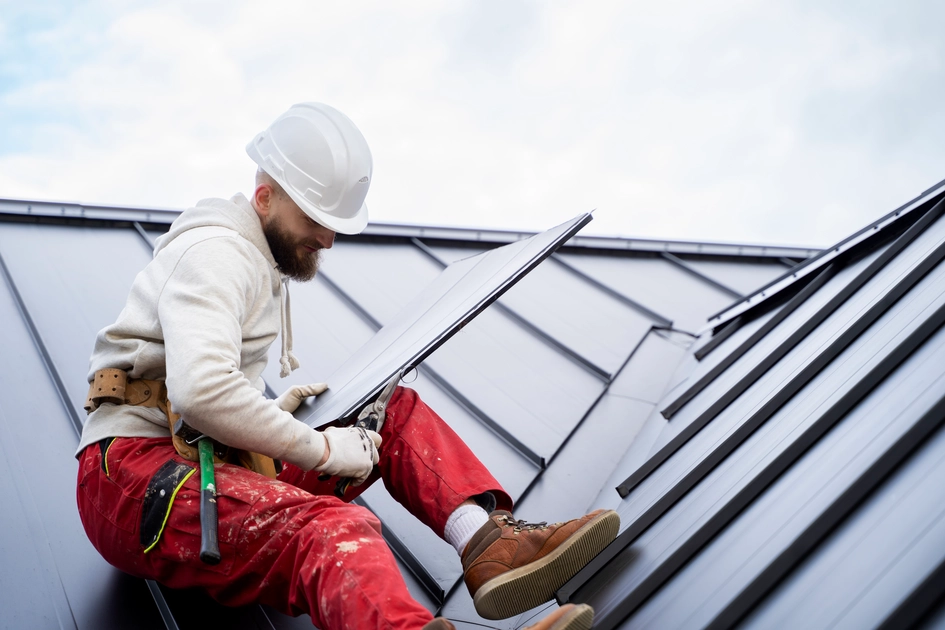
A roof inspection focuses only on the roof. The roof inspector climbs up and checks every part of it. They look at tiles, gutters, flashings, and the overall condition of the roof structure. It is a targeted assessment of one specific area of your home.
A building inspection is much bigger. It looks at the whole property – inside and outside. A building inspector checks the walls, floors, ceilings, roof, subfloor, and more. It is a general assessment of the entire structure.
Think of it this way. A roof inspection is like checking just your car’s tyres. A building inspection is like a full car service.
Both are valuable. But they serve different purposes. Knowing which one you need depends on your situation. We will get to that soon.
What Does a Roof Inspection Report Include?
A roof inspection report gives you a clear picture of what is happening up top. Here is what a good report should cover.
Tile condition. Are tiles cracked, broken, or missing? Even one damaged tile can let water in. That moisture can affect the timber underneath and cause serious structural damage over time.
Roof movement. A good inspector will check for any movement or sagging. This can signal a deeper structural issue that needs urgent attention.
Flashings and seals. These are the metal strips around chimneys and edges. If they are loose or rusted, water gets in. Simple as that.
Gutters and drainage. Blocked gutters cause overflow. That water can damage your walls and foundations.
Unsafe areas. The inspector will flag any parts of the roof that are unsafe to walk on or access.
The roof report should also include photos, a clear description of each defect, and a recommended action list. A great report will even give you a rough measure of how urgent each issue is. Some inspectors will recommend you get a quote from a roofing contractor straight away.
What Do Building Inspectors Examine Beyond the Roof?
A building inspection goes much further than just the roof. It is a full property assessment. Here is what building inspectors look at beyond the roof.
Inside the home. Inspectors check walls, ceilings, floors, windows, and doors. They look for visible defects like cracks, water stains, and signs of movement.
Outside the home. The exterior walls, fencing, steps, and drainage are all assessed. They check the overall condition of the structure from the outside, too.
Subfloor and timber. This is a big one. Building inspectors get under the house. They check timber bearers and joists for rot, termite damage, or movement. Timber issues can be a serious structural problem.
Non-structural defects. These are smaller issues that still matter. Think cracked tiles on a bathroom floor or a sticking door. They might not be dangerous, but they affect the property’s standard and value.
Structural defects. These are the serious ones. A structural defect can make a home unsafe to live in. Building inspectors are trained to spot these issues fast.
The final report covers all of this. It gives you a full picture of the property’s condition. Every defect gets listed, described, and rated by severity.
Roof Inspection or Building Inspection: Which One Do You Need?
Great question! Here is how to figure it out.
Get a roof inspection if: You notice a leak. You see cracked or missing tiles. You want to check the roof before doing repairs. Or you just want peace of mind about one specific area.
Get a building inspection if: You are buying a property. This is often called a pre-purchase inspection. It gives you a full assessment before you sign anything. You should always get one before buying a home. Always.
Get both if: You are buying an older property. Older homes often have both roof and structural issues. Getting a combined assessment gives you the most complete picture.
Benefits of Professional Roof and Building Inspections
Here is why professional inspections are worth every cent.
They save you money. Catching a defect early is always cheaper than fixing major damage later.
They protect you legally. A pre-purchase building inspection report is a powerful document. It can help you negotiate a lower price or walk away from a bad deal.
They keep you safe. An unsafe structure or damaged roof can put lives at risk. Do not guess. Get it assessed properly.
They give you confidence. Knowing the true condition of a property is priceless. Whether you are buying, selling, or maintaining, knowledge is power.
Conclusion
The difference between a roof inspection vs building inspection is clear. One focuses on the roof. The other covers the whole property. Both have real value. Both can protect your investment.
Do not wait for a problem to become a disaster. Book a professional inspection today. Your future self will thank you!
FAQs
What are the main differences between a roof inspection vs building inspection when assessing timber and structural defects?
A roof inspection vs building inspection differs in scope and focus: a roof inspection concentrates on the roofing system, flashing, gutters, and immediate timber elements like rafters and trusses to identify defects such as rot, insect damage, or compromised structural timbers. A building inspection assesses the wider property, including foundations, load-bearing walls, floors, ceilings, and overall structural integrity.
When timber or structural assessment is required, a building inspection will include a more comprehensive standard evaluation of all potential defect locations and may provide a detailed quote for repairs, whereas a roof inspection typically issues a targeted report on roof-related defects and recommended roofing remediation.
Do I need both a roof inspection and a full building structural assessment before buying a property?
It is advisable to obtain both: a roof inspection addresses roof-specific issues that can lead to immediate water ingress and timber decay, while a full building structural assessment examines hidden defects in foundations, beams, joists, and other load-bearing elements.
For properties with visible timber deterioration or older buildings, a structural assessment can uncover defects not found in a standard roof inspection and will usually include a repair quote or estimate. Combining both inspections gives you a clearer picture of possible costs and safety concerns related to timber and structural defects.
How do inspection standards and quotes differ between roof-specific checks and general building inspections?
Inspection standards vary: roof inspections often follow roofing industry standards focused on visual and access checks, moisture testing, and identifying roof-specific defect patterns, while building inspections adhere to broader structural assessment standards covering building codes, load paths, and timber integrity.
Quotes from roof inspectors typically address roofing materials, labor, and localized timber repairs, whereas building inspection reports that identify structural defects may recommend further specialist testing, engineering assessments, and provide higher-level repair quotes. Always review the scope and standard referenced in the inspection report to ensure timber and structural concerns are adequately covered.