
So, who pays for building inspection? Let’s get straight to it. When buying a home, this question comes up a lot. And honestly, the answer can surprise many buyers. Understanding who pays for building and pest costs early can save you money, stress, and big headaches later.
Table of Contents
Understanding Responsibilities: Who Typically Covers Inspection Costs?
Here’s the thing. In most Australian property transactions, the buyer pays for the building inspection. Yep, that’s right. The person purchasing the home is usually the one who has to arrange and pay for a building and pest inspection before they commit to the purchase.
Let me tell you something important. This is not just a formality. A building inspection is a serious step in your due diligence process. You are investing a huge amount of money. So you want to be confident about what you are buying.
The cost can vary depending on the suburb, the size of the property, and the inspector you hire. In places like Melbourne, inspections in Melbourne can range from $300 to $700 or more. That might sound like a lot upfront. But think about it. Spending a few hundred dollars now can save you thousands in repair costs later.
The funny thing is, some buyers skip this step to save money. Real talk, that is one of the riskiest decisions you can make when buying a home.
The Importance of a Building Inspection Report in Property Transactions
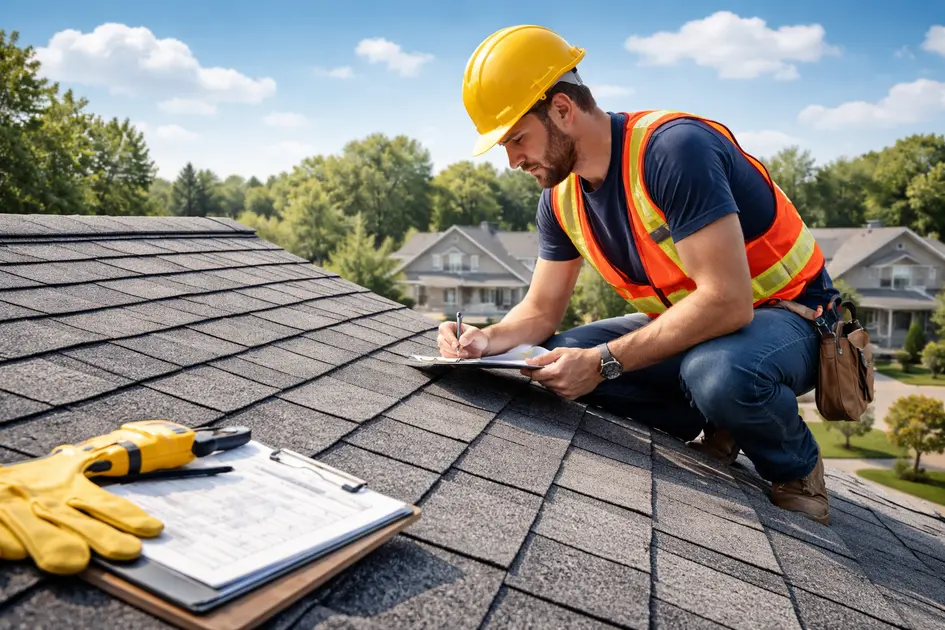
A building inspection report is your best friend. Honestly speaking, it gives you a full picture of the property before you sign anything. A qualified building inspector will do a comprehensive visual assessment of the home. They check everything. Walls, windows, tiles, pipes, drainage, foundations, and even moisture levels.
Believe it or not, inspectors can even use thermal imaging to find hidden damp or pest activity inside walls that you cannot see with your eyes. That is next level. A fully licensed inspector who meets Australian standard 4349.1 will give you a detailed report. Usually, you can get it within 24 hours of the inspection.
The report will outline any defects found. It will flag minor issues, urgent structural issues, or safety hazards. It will also give recommendations for repairs and maintenance. This helps you make an informed decision. You will know exactly what you are buying. No nasty surprises after you move in.
Buyer vs. Seller: Navigating Costs in the Property Market
To be fair, some sellers do arrange a pre-purchase building and pest inspection before listing their property. This is called a vendor inspection. They pay for the inspection themselves and share the report with potential buyers. It can speed up the sales process.
But here’s the thing. As a buyer, you should not always trust a vendor-supplied report. Why? Because the inspector was hired by the seller. You want your own independent assessment. An inspector you hire works for you. They will inform you of every crack, every drainage issue, every visible defect without any filter.
At an auction, you usually cannot make your purchase conditional on a building inspection. So Melbourne buyers especially need to arrange their inspection before auction day. You need to enter the property, inspect it properly, and feel confident before you bid. Consumer Affairs Victoria and the Victorian Building Authority both recommend this approach.
You know, it is all about protecting yourself. Make sure your inspector is fully licensed and registered. Check that they qualify under the relevant compliance standards. And always confirm what is included in their checklist before you book.
Financial Implications of Building and Pest Inspections for Home Buyers
Let’s be real. The financial side of buying a home is already stressful. Adding more costs feels tough. But when you pay for a building and pest inspection, you are making a smart investment. Think of it as paying for confidence.
If the report finds serious structural issues or safety hazards, you can withdraw from the contract. Or you can use the findings to negotiate a lower price. That is massive. A $400 inspection could save you $20,000 in repairs. That math makes sense every single time.
Also, as part of your agreement with the seller, you may be able to request that certain urgent repairs be completed before settlement. This is only possible if you have a quality building inspection report to back you up.
Conclusion
So, at the end of the day, the buyer typically pays for building and pest inspection costs. It is your money on the line. It is your new home. Take it seriously. Hire a qualified, independent inspector. Get your report. Buy with confidence. That is how smart buyers protect themselves in the property market.
For buyers who want detailed, reliable, and easy-to-understand reports, Benchmark Roof Reports provides professional building inspection services backed by industry experience and thorough reporting.
Their team helps homebuyers identify potential issues early, giving you greater confidence and peace of mind before making one of the biggest financial decisions of your life.
FAQs
How much does a building inspection cost in Australia, including specific states like WA?
Building inspection costs in Australia typically range from AUD 300–800 for a standard pre-purchase inspection, with combined building and pest inspections often AUD 400–1,000 depending on property size and location. Prices vary by state — in WA expect around AUD 350–900 while NSW, VIC, and QLD are similar, and remember to factor in who pays for building inspection when buying a house (usually the buyer) when budgeting.
What is the biggest red flag in a home inspection?
The biggest red flag in a home inspection is widespread structural damage or severe water intrusion—visible in external beams, inaccessible crawlspaces, or a compromised drain system—that makes the property risky and could derail your property purchase. Always request a sample of property inspections and treat the inspection as part of your commitment to a thorough finish before signing, since unresolved structural or drainage issues are costly and hard to fix.
What does a building inspection cover?
A building inspection assesses the property’s structural elements, roof, plumbing, electrical, heating/cooling systems, visible pest and moisture issues, and safety hazards to reveal defects and maintenance needs. When considering who pays for building inspection when buying a house, buyers typically arrange and pay for this inspection, though sometimes sellers or lenders may cover it by agreement.