A staggering 1 in 3 homes in Australia has at least one major defect. That’s not a small number. A building inspection could be the one thing standing between you and a very expensive mistake.
Let’s be real – buying a home is one of the biggest decisions you’ll ever make. So, understanding what a building inspection actually involves? That’s non-negotiable.
See also: What Is The Biggest Red Flag in A Home Inspection?
Table of Contents
Scope of a Building Inspection: What’s Included and Excluded
Here’s the thing – a building inspection doesn’t cover everything. But what it does cover is incredibly important.
A standard building inspection looks at the overall condition of the property. A qualified inspector will check the roof, walls, floors, windows, doors, and drainage. They inspect accessible areas like subfloors, roof spaces, and exterior walls. They’re looking for defects, safety hazards, moisture damage, and structural issues.
Honestly speaking, a comprehensive building inspection gives buyers a clear picture of the property’s condition before signing anything.
But here’s what it doesn’t cover. A standard inspection won’t include pest checks, electrical systems deep-dives, or plumbing inside walls. For that, you’d need a building and pest inspection or a specialist report.
In Melbourne, pre-purchase inspections are especially important. Why? Because Melbourne homes face real problems – foundation movement, poor workmanship, and water ingress are common. A detailed inspection protects your investment from day one.
What a Building Inspector Looks For: The Inspector Check, Step by Step
So what does a building inspector actually do on-site? Let me tell you something – it’s more thorough than most people expect.
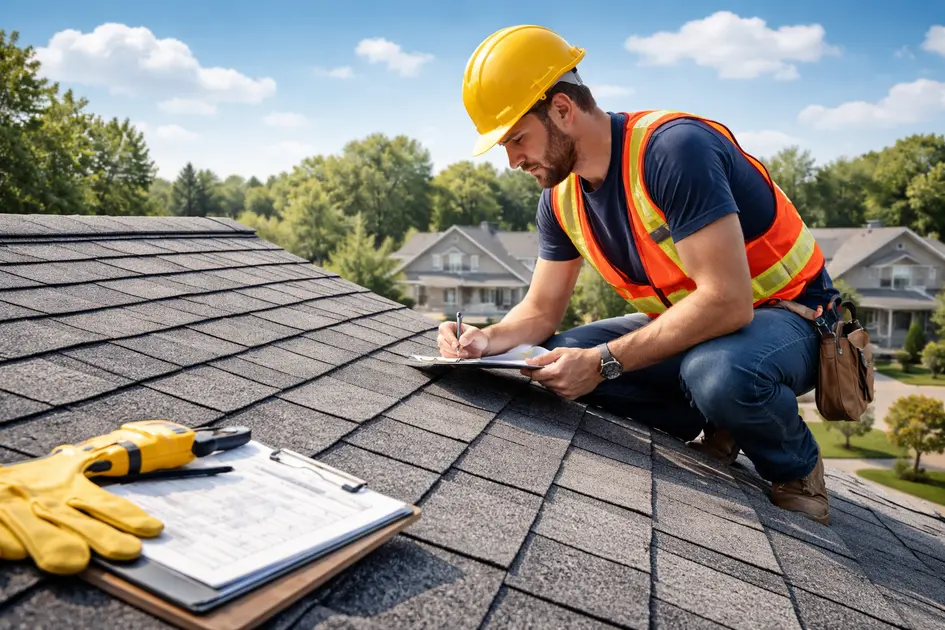
The inspector checks the roof first. They look for cracked tiles, rust, poor workmanship, and signs of water ingress. Then they move to the exterior walls. They’re checking for cracks, moisture damage, and structural failures.
Inside the home, inspectors identify issues with floors, ceilings, and walls. They look for major defects and minor defects. Think sagging ceilings, cracked walls, or damaged subfloors. They also check ventilation and drainage issues.
Believe it or not, inspectors also check the subfloor space. This is where termite damage and fungal decay often hide. A building inspector will crawl under the house if needed. That’s commitment.
In a pre-purchase building inspection, the inspector documents everything in a detailed inspection report. This inspection report outlines all major and minor defects. It gives you a full picture of the property’s condition.
Inspection Before Buying: How Buyers Use Reports to Negotiate
Think about it – you get an inspection report full of defects. What do you do next?
The truth is, a pre-purchase building inspection is one of the most powerful tools a buyer has. Inspection before buying gives you real leverage. You can request repairs before buying or negotiate a lower price. Some buyers save tens of thousands of dollars this way.
A good building inspection report will clearly list major structural issues and safety hazards. It helps buyers make informed decisions. You’re not guessing anymore. You have facts.
In Melbourne, buyers use building inspection reports to renegotiate contracts all the time. The condition of the property becomes a bargaining chip. That’s smart buying.
To be fair, sellers don’t always love this process. But at the end of the day, it protects everyone. An independent building inspector gives an unbiased view. No hidden agenda. Just honest findings.
Safety, Compliance, and Codes: How a Building Inspector Evaluates Risk
Real talk – not every defect is a cosmetic issue. Some are dangerous.
A building inspector evaluates safety hazards seriously. They check if the property meets Australian standards and building codes. Regulatory compliance matters. A home that doesn’t meet Australian standard requirements could put lives at risk.
Inspectors identify structural and safety concerns like faulty wiring, unstable structures, and drainage problems. These aren’t small fixes. They can cost tens of thousands of dollars if ignored.
Professional building inspectors are trained to spot what regular buyers miss. They assess the structural integrity of the home. They check if repairs have been done properly or if poor workmanship is hiding bigger problems.
Guess what? In Melbourne, older homes are especially prone to structural failures and moisture damage. A detailed inspection ensures these risks are found early.
Beyond the Basics: Specialized Inspector Checks for High-Risk Areas
You know, some properties need more than a standard inspection.
If you’re building a new home, stage inspections are essential. These happen at different points during construction. They ensure workmanship meets Australian standards throughout the process.
Purchasing a brand-new home? A pre-purchase inspection still matters. Poor workmanship happens even in new builds. An inspector can identify problems before you move in.
Timber pest inspections are also critical – especially in Melbourne. Termite damage can destroy a home’s structural integrity fast. A building and pest inspection covers both structural defects and timber pest activity. It’s a smart combo.
For high-risk areas like subfloors, roof spaces, and plumbing checks, hiring a building inspector with specialist experience is key. These inspectors provide assurance that no stone is left unturned.
Post-Inspection Next Steps for the Buyer: Quotes, Priorities, and Re-Inspections
So the inspection report is in your hands. Now what?
First, read it carefully. Separate major defects from minor defects. Prioritise the big stuff – structural issues, safety hazards, drainage problems. Get repair quotes from licensed tradespeople. This helps you understand the real cost.
Then, use those quotes to negotiate. Request repairs or a price reduction. Inspections protect buyers from overpaying for a damaged property.
Sometimes a re-inspection is needed. If the seller agrees to fix defects, a follow-up home inspection confirms the work is done right. Don’t skip this step. It’s your safeguard.
Honestly speaking, the inspection process is there to protect your investment. It gives you peace of mind. It helps you make informed decisions with confidence.
Conclusion
At the end of the day, a building inspection is not optional – it’s essential. It saves you money. It protects your safety. It gives you peace of mind when buying a home.
Whether you’re looking at Melbourne homes or properties elsewhere, a pre-purchase building inspection is the smartest move you can make. Hire a qualified inspector. Read the report. Ask questions. And never skip the inspection before buying.
Your future self will thank you.
For a thorough, unbiased assessment, trust Benchmark Roof Reports—specialists in comprehensive roof and building inspections across Melbourne. Book your inspection today to buy with confidence and avoid costly surprises.
Frequently Asked Questions
Do I have to clean my house for an inspection?
You don’t need to deep-clean your home, but tidying and providing clear access help building inspectors assess systems and ensure building inspection cover is accurate; well-presented property inspections reduce the chance of missed potential issues. Simple decluttering and clearing access to basements, attics, and mechanicals lets inspectors work efficiently and highlights any potential issues for the report.
Do building inspectors check electrical and plumbing systems?
Yes—building inspectors typically check electrical wiring and plumbing systems for safety hazards, proper installation, and code compliance; when asked “what do they do for a building inspection,” these checks are standard parts of assessing a property’s condition. If issues are found, inspectors document defects and recommend repairs to ensure systems meet local building codes and safe operation.
How long does a building inspection take?
Most building inspections take about 1–3 hours for a typical residential property, though larger or more complex buildings can require half a day to a full day to complete. During a building inspection, the inspector checks the structure, roofing, electrical, plumbing, and HVAC systems to create a detailed report of defects and safety issues, answering the question “what do they do for a building inspection” for homeowners and buyers.