Buying a home is exciting. But here’s the thing – a red flag in a home inspection can turn your dream home into a nightmare fast. About 86% of home buyers who get a professional home inspection discover at least one defect. Real talk, knowing what red flags to look for can save you thousands of dollars and a whole lot of stress.
Table of Contents
Understanding Red Flags in Home Inspections: Common Issues to Watch For
Let me tell you something. Not every problem in a home is a big deal. Some issues are just cosmetic. A scuffed wall? Easy fix. Outdated tiles? No biggie. But some inspection red flags? Those are serious potential problems that can cost tens of thousands of dollars to repair.
So what exactly is a red flag in a home inspection? Think about it this way. It’s any defect or warning sign that could affect safety, cost a lot to fix, or lower the property value. These are the things a building inspector will flag in the inspection report.
Here are the most common red flags to watch for:
- Water damage on walls or ceilings
- Structural damage or uneven floors
- Mould in hidden spaces
- Termite damage throughout the home
- Electrical problems like overloaded circuits
- Plumbing problems, such as poor water pressure or leaks
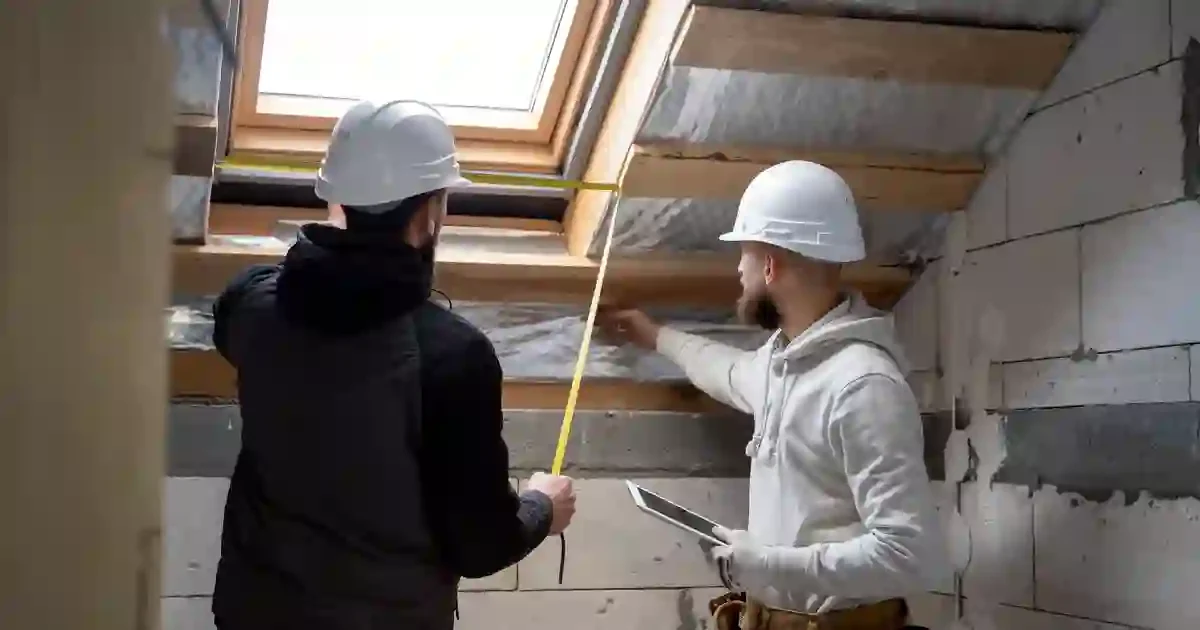
Honestly speaking, these problems don’t just pop up overnight. They build up slowly. And if you miss them at an open home or when you first see the property, you could be in serious trouble later. A thorough inspection gives you the power to make informed decisions before you sign anything.
The Foundation Quandary: Why It’s the Biggest Red Flag in Home Inspections
Okay, let’s be real. The biggest red flag in a home inspection? It’s a foundation issue. Full stop.
Cracks in the foundation are not just ugly. They are one of the most expensive structural problems a home can have. Foundation cracks can mean the whole building structure is shifting. And once that starts? It doesn’t stop easily.
Foundation problems are especially tricky in Australia. You know why? Clay soils. Clay soils expand when wet and shrink when dry. This constant movement causes the ground beneath your home to shift. Over time, this leads to serious structural damage that can render a property nearly unlivable.
Here’s what to look out for when inspecting a home:
- Diagonal cracks running from the corners of doors or windows
- Uneven floors that slope or bounce
- Doors and windows that stick or won’t close properly
- Gaps between walls or ceilings and the floor
- Visible cracks in the foundation itself
The funny thing is, sellers sometimes try to hide foundation cracks with fresh paint or renovation work. That’s why you need a professional inspector. They know all the tricks. Repair costs depend on the size and severity of the damage. Minor foundation repairs might cost a few thousand dollars. Major structural issues may require repairs costing $50,000 or more.
Think about it. That’s a huge chunk of your budget gone before you even move in. If the inspection reveals serious foundation problems, it might be time to walk away from the deal entirely. At the end of the day, no dream home is worth a financial disaster.
Roof Inspections: Uncovering Hidden Red Flags That Could Ruin Your Home
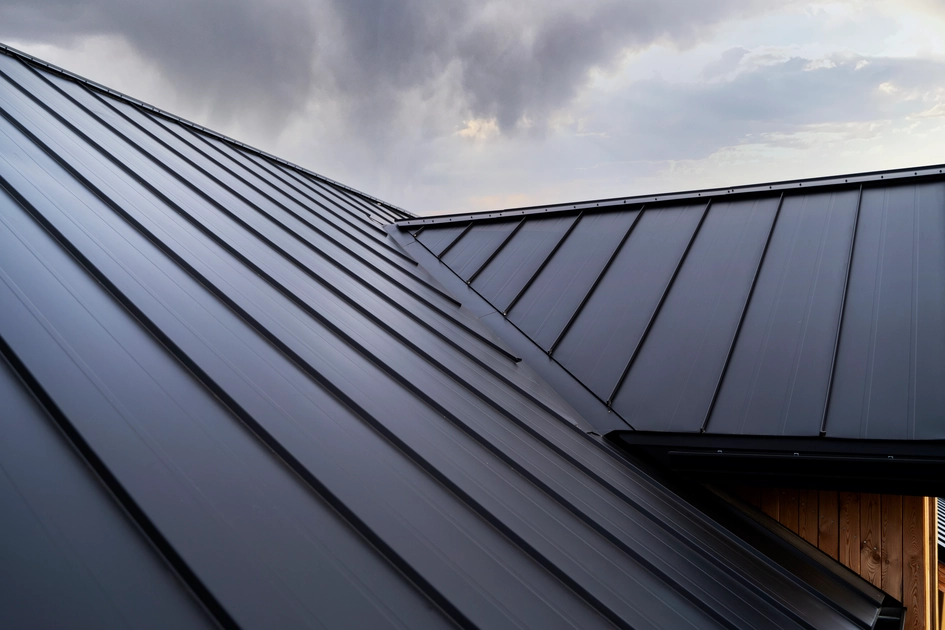
The roof is your home’s first line of defense. And guess what? Roof problems are one of the most common critical red flags that inspectors find. A leaking roof can cause water damage, mould growth, and even structural damage if left unchecked.
Here’s the thing about roof inspections. You can’t always see the damage from the ground. A good inspector will get up there and check everything closely. They’ll look for:
- Missing or cracked tiles
- Sagging sections that suggest structural weakness
- Signs of water pooling or failed waterproofing
- Rust or corrosion on metal roofing
- Damaged insulation in the roof cavity
Believe it or not, a roof replacement can cost anywhere from $10,000 to $30,000, depending on the size of the home. That’s not small change. And if water has been leaking in for years? The damage to Australian homes can be massive. Rotting timber, mould, and compromised structural elements all become part of the problem.
It’s important to check the roof during a first home inspection. Don’t skip it. Rushed inspections miss these tell-tale signs. And problems that can cost tens of thousands of dollars to fix don’t care whether you noticed them or not.
The Importance of Proactive Home Inspections: Identifying Red Flags Early
Here’s a truth bomb. Most people only get a home inspection when they’re buying. But honestly speaking, proactive home inspections are one of the smartest things any homeowner can do.
Knowing what red flags appear early means you can fix small issues before they become massive ones. A tiny leak today can become serious water damage tomorrow. A small crack in the foundation can grow wider every season.
Inspection findings provide a clear picture of where your home stands. And that information? It’s gold. It helps you:
- Budget for upcoming repairs
- Prioritize which issues require immediate attention
- Negotiate a better price on a property
- Avoid buying a home with hidden structural problems
Annual termite inspections are also a must. Termites cause more damage to Australian homes than fires and storms combined. Termite damage can be sneaky. You won’t see it until it’s already bad. A pest inspection alongside a standard building inspection is always a smart move.
Recognizing Red Flags in Electrical and Plumbing Systems During Home Inspections
Let me tell you something important. Electrical issues and plumbing problems are serious home inspection red flags. They affect safety. They can be expensive. And they’re not always easy to spot without a trained eye.
Electrical Red Flags:
- Overloaded circuits that trip constantly
- Old or faulty wiring that doesn’t meet current codes
- No safety switches installed
- DIY electrical work that looks messy or unprofessional
- Burn marks near outlets or circuit panels
Electrical problems are a genuine hazard. They can cause fires. They can electrocute people. And depending on the size and age of the home, rewiring can cost tens of thousands of dollars. Real talk, this is not something to ignore.
Plumbing Red Flags:
- Low water pressure throughout the home
- Slow drains that suggest blockages
- Signs of water damage under sinks or around toilets
- Corroded pipes that may require immediate replacement
- Mould near plumbing fixtures
It’s important to check the water pressure in every tap during the inspection. Plumbing problems can be just as costly as electrical issues. And if pipes are old or damaged, the repair costs depend on how much of the system needs replacing.
To be fair, not every electrical or plumbing issue is a dealbreaker. Knowing the difference between a minor fix and a major hazard is key. That’s why having a qualified inspector matters so much.
Cost Implications of Ignoring Red Flags Discovered in Home Inspections
You’ve found your dream home. You love it. But the inspection report is full of red flags. What do you do?
Here’s the thing. Ignoring those red flags can cost you big time. Problems don’t fix themselves. They get worse. And the longer you wait, the more expensive the repair becomes.
Let’s break down some real numbers:
- Foundation repairs: $5,000 to $100,000+
- Roof replacement: $10,000 to $30,000
- Rewiring a home: $8,000 to $20,000
- Major plumbing overhaul: $5,000 to $15,000
- Termite damage repair: $3,000 to $50,000+
These are not small numbers. And if multiple issues exist at once? You could be looking at a financial disaster. Inspection findings provide the leverage you need to either negotiate the price down or walk away from the deal before it’s too late.
A professional home inspection is one of the best investments you’ll ever make. It typically costs a few hundred dollars. But it can save you from spending hundreds of thousands on a property with hidden structural damage, failed waterproofing, or serious pest infestations.
Conclusion
At the end of the day, a red flag in a home inspection is not something to take lightly. Whether it’s foundation cracks, roof problems, electrical issues, or termite damage, these warning signs exist for a reason. They protect you.
The biggest red flag in a home inspection? Foundation issues win that title every time. They’re expensive, dangerous, and hard to fix. But every red flag matters. Every warning sign tells a story.
Get a thorough inspection. Hire a qualified building inspector. Read the inspection report carefully. And if the red flags are too serious? Walk away from the deal. Your future self will thank you.
Real talk – your dream home should be a safe home. Don’t let excitement cloud your judgment. Make informed decisions. Discover the biggest red flags early. And protect your investment before you sign on the dotted line.
FAQs
Are DIY repairs or unpermitted work considered red flags?
In answering “what is the biggest red flag in a home inspection,” DIY repairs or unpermitted work are often major red flags because they can compromise structural integrity and hide unsafe shortcuts. Such issues should heavily influence your purchase decision and prompt a thorough professional evaluation before proceeding.
What are signs of pest infestation or termite damage that are considered red flags?
Signs of pest infestation or termite damage that are major red flags include mud tubes, hollow or crumbling wood, frass (termite droppings), discarded wings, visible live termites or carpenter ants, sagging floors, and water-damaged areas near foundations or eaves—these issues can indicate structural compromise and are often cited when asking “what is the biggest red flag in a home inspection”.
When should you walk away from buying a house due to inspection findings?
You should walk away from buying a house if inspection findings reveal major structural or foundation problems, widespread water damage or mold, severe electrical or HVAC safety hazards, or repair costs that exceed your budget and the seller won’t negotiate. If you’re asking “what is the biggest red flag in a home inspection,” unrepaired foundation issues or active water intrusion are often the most serious deal-breakers and justify walking away.